


Magnolia fabric is widely used in interior design because it combines decorative appeal with practical versatility. Inspired by magnolia flowers, leaves and natural garden patterns, this fabric style can introduce softness, colour and visual interest into a room. It is available in printed cotton, linen blends, polyester, velvet and upholstery-grade materials, making it suitable for several home furnishing applications.
This Magnolia Fabric Guide for Cushions, Blinds and Furniture explains how to select the right fabric based on its purpose, durability, texture, pattern scale and maintenance requirements. Choosing the correct material helps create a balanced interior while ensuring that each furnishing performs well over time.
What Is Magnolia Fabric?
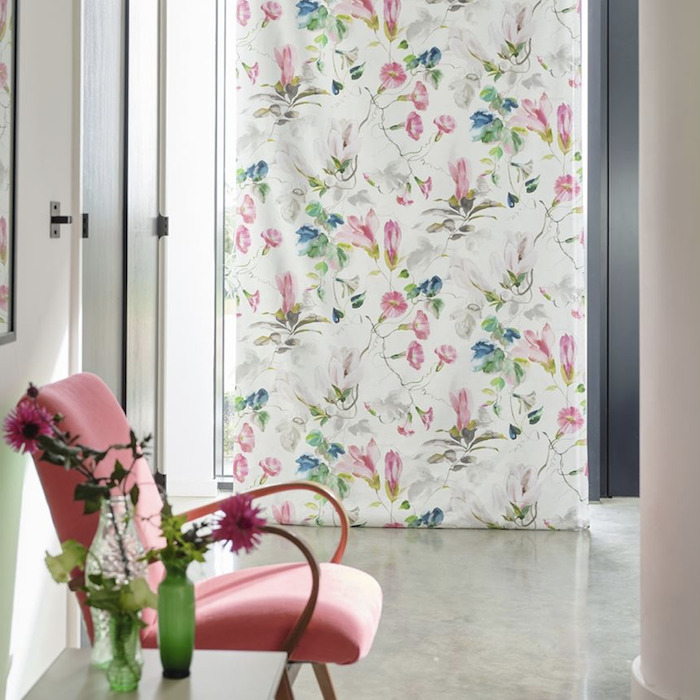
Magnolia fabric generally refers to textiles featuring magnolia-inspired floral or botanical prints. Designs may include large flowering branches, delicate petals, leaves or repeated floral patterns. The colours can range from soft neutrals and pastel shades to deep green, navy, burgundy and charcoal.
The term does not refer to one specific fibre or weave. Magnolia designs may be printed or woven into different fabric types. Therefore, it is important to check the fabric composition before using it for cushions, blinds or upholstered furniture.
Some materials are intended for light decorative use, while others are manufactured to handle frequent contact, sunlight and everyday wear.
Choosing Magnolia Fabric for Cushions
Cushions are one of the easiest ways to introduce magnolia patterns into a living room, bedroom or reading area. They allow you to use floral designs without making permanent changes to the interior.
Select the Right Fabric Weight
Light to medium-weight cotton and linen blends work well for decorative cushions. These materials usually provide a soft texture and are suitable for removable cushion covers.
For sofa cushions that are used regularly, consider a heavier furnishing fabric. Upholstery-grade cotton, polyester blends and velvet can provide improved durability and shape retention.
The fabric should also be strong enough to support seams, piping, zips and repeated washing or cleaning.
Consider the Pattern Size
Large magnolia prints are suitable for statement cushions because they create a clear focal point. However, the fabric should be cut carefully so that the main flower or branch appears in the centre of the cushion.
Smaller repeating prints are easier to coordinate across several cushions. They can also be combined with plain cushions in colours taken from the magnolia design.
For a balanced arrangement, use one or two patterned cushions alongside solid-coloured or lightly textured options.
Using Magnolia Fabric for Blinds
Magnolia fabric can make blinds more decorative while still supporting privacy and light control. Roman blinds are particularly suitable for floral fabrics because the flat surface displays the pattern clearly when the blind is lowered.
Check Light and Colour Fastness
Blinds receive regular exposure to sunlight, so the fabric should have suitable colour-fastness properties. Some natural fabrics may fade when placed near strong direct sunlight.
A lining can help protect the decorative fabric, improve the blind’s structure and reduce fading. Blackout lining may be useful in bedrooms, while standard cotton lining is suitable for living rooms and dining areas.
Synthetic and blended fabrics may offer better resistance to sunlight than some untreated natural fibres.
Match the Print to the Window Size
Large magnolia patterns can work well on wide windows because there is enough space to display the full design. On narrow windows, smaller prints may create a more balanced appearance.
Before purchasing the material, measure the window and calculate the additional fabric required for folds, hems and pattern matching. Floral prints often require extra material so that repeated elements align properly.
Magnolia blinds can be paired with plain curtains to prevent the room from appearing too visually busy.
Magnolia Fabric for Upholstered Furniture
Magnolia prints can be used on armchairs, dining chairs, benches, headboards and occasional furniture. However, furniture fabric must withstand more wear than fabric used for blinds or decorative cushions.
Choose Upholstery-Grade Material
Always confirm that the fabric is suitable for upholstery. Check its abrasion or rub-test rating, as this indicates how well the material can withstand repeated use.
Occasional chairs may be covered with medium-duty furnishing fabric, while sofas and frequently used chairs require heavier, more durable upholstery fabric.
A fabric with tightly woven fibres is generally more resistant to stretching, snagging and surface wear. Polyester blends are often practical for busy households because they can offer durability and easier maintenance.
Use Pattern Placement Carefully
Magnolia designs can change the visual proportions of furniture. A large flower placed on the centre of an armchair may create an attractive feature, while an unevenly positioned print may appear unbalanced.
Pattern matching is also important across seat cushions, chair backs and arm panels. Professional upholstery may be helpful when using large-scale botanical designs, particularly on furniture with curved sections.
For smaller furniture, such as dining chairs, a reduced floral pattern may be easier to position consistently.
How to Coordinate Magnolia Fabric in a Room
Magnolia patterns should connect with the wider colour scheme rather than compete with other decorative elements. Begin by identifying two or three colours within the fabric.
Use the background colour for larger surfaces, such as walls or curtains. Secondary shades can be repeated through rugs, lampshades, throws or decorative accessories.
If the magnolia print is detailed, keep surrounding furnishings relatively simple. Plain wood, neutral paint colours and lightly textured fabrics can help the floral design stand out without overwhelming the room.
Avoid using several unrelated floral patterns in the same space. When combining prints, keep one dominant pattern and select smaller supporting designs with similar colours.
Care and Maintenance
Always follow the manufacturer’s cleaning instructions because care requirements depend on the fibre content and finish.
Removable cotton cushion covers may be machine washable, while linen, velvet and upholstery fabrics may require dry cleaning or professional care. Blinds should generally be vacuumed using a soft brush attachment and spot-cleaned when necessary.
Protect furniture from continuous direct sunlight and clean spills promptly. Testing cleaning products on a hidden section can help prevent colour changes or fabric damage.
Conclusion
Magnolia fabric can be used effectively across cushions, blinds and furniture when the material is selected according to its purpose. Decorative cushions benefit from soft furnishing fabrics, blinds require good structure and light resistance, and furniture needs durable upholstery-grade material.
By considering fabric composition, pattern scale, colour coordination and maintenance, you can introduce magnolia designs in a way that is both visually balanced and practical for everyday living.